Endurance Beyond Logistics™ is an operational problem, not a product category.
Every mission and every fleet runs on the same constraint: the fuel required to keep it moving, and the logistics burden required to keep that fuel coming. DFGD exists to attack that constraint: reducing fuel demand, increasing efficiency and extending how long mission-critical equipment operates between resupply.
Fuel decides how long a mission holds, and what a fleet earns.
In contested logistics, every gallon burned is a gallon that had to be hauled, stored and defended. In commercial operations, every gallon is a line item against uptime and margin. Different markets, same equation.
Mission outcomes: Defense
- Fewer convoys and reduced resupply requirements
- Extended time on station for vehicles, generators and ground systems
- Operational-energy resilience in contested logistics
- A lighter, harder-to-target sustainment tail
Business outcomes: Commercial
- Fuel-cost reduction measured against the fleet’s own baseline
- Equipment uptime and fleet efficiency
- Retrofit pathways for equipment already in service
- Measurable ROI a purchasing decision can stand on
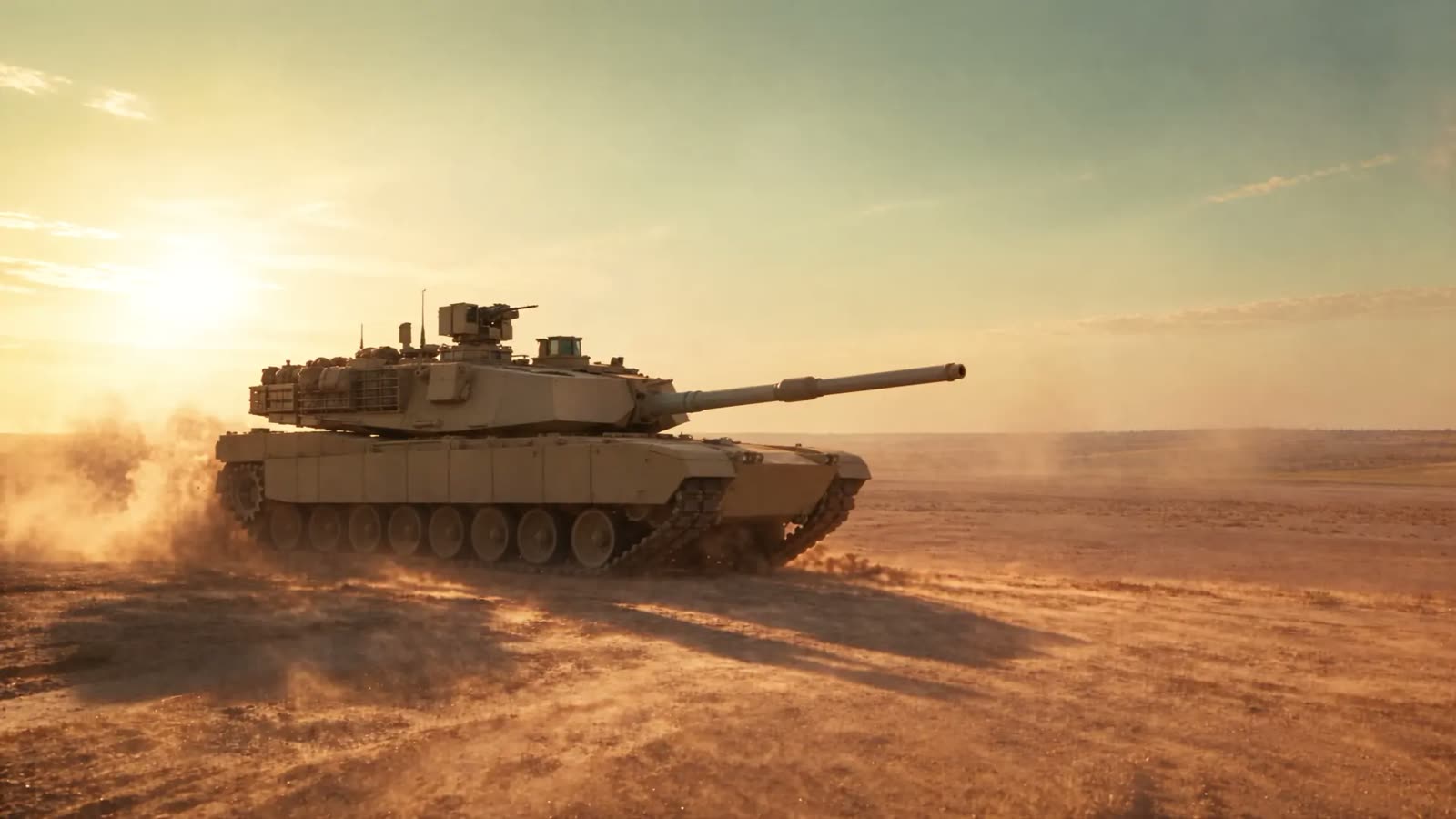
Reduce the input. Improve the ratio. Extend the outcome.
- 01
Reduce fuel demand
Less fuel burned per hour of mission or work, so fewer gallons are hauled, stored and defended to sustain the same operation.
- 02
Increase efficiency
More output from the vehicles, generators and equipment an operator already owns, measured against the fleet’s own baseline.
- 03
Extend operational endurance
Longer time on mission between resupply and refueling. That is the outcome a battlefield commander and a fleet manager are both paying for.
Nothing stored. Nothing hauled. Nothing waiting on infrastructure.
Reducing fuel demand only helps if the fix doesn’t add a supply chain of its own. That is the difference between the anchor technology and the rest of the hydrogen market.
Store it, compress it, haul it.
Most of the hydrogen market (electrolyzers, fuel cells and the supply chains around them) produces hydrogen somewhere else, compresses it into tanks and transports it to the point of use. That adds storage, pressure, handling and a delivery chain to every mission or route.
Generate it at the intake, while the work happens.
The anchor technology is a device that produces hydrogen on demand at the air intake of a combustion engine already in service. Nothing is stored, compressed or transported: the fuel is created as the engine runs, and fuel demand drops while the mission or the route continues.
Ready to retrofit now, not an infrastructure program.
Operators are not looking to rebuild their fueling infrastructure to solve a fuel-demand problem. A retrofit fits the vehicles, generators and equipment a fleet or a formation already owns, which is why the conversation moves to a measured pilot instead of a capital program.
- Retrofit now
- No tanks
- No compression
- No transport
The answer isn’t moving fuel better. It’s needing less of it.
Most of the industry works on the supply side: storing, compressing, transporting and delivering energy. Endurance Beyond Logistics™ works on the demand side, making the platforms an operator already owns burn less to do the same work. That is why the mission spans vehicles, generators, heavy equipment and future applicable platforms across Defense and Commercial markets.
Reducing fuel demand. Increasing efficiency. Extending operational endurance.
Bring us an endurance problem.
If fuel demand, efficiency or equipment endurance is costing your mission or your fleet, that’s the conversation DFGD is built for.